

Documentaries
A career ends. The story does not.
An athlete's earning power is tied to results, and results end. Most careers run ten years and the commercial value drains away with the podium finishes. The athletes who still earn afterwards are the ones who built a story and an audience that exist independently of the scoreboard, and almost none of them built it on their own.
Brands have the opposite problem. Attention is cheap and belief is not. Sport audiences are expert and defensive and they discount anything that looks like advertising within seconds. Association with a real story is the way in, and unlike a campaign it does not stop working the day the contract ends.
A documentary is what both of those need, which is why the athlete and the sponsor are usually in the same conversation.
How we do it
We came out of performance sport before we came to film. Stefan raced at elite level and worked as a performance analyst on the World Cup circuit. Harry spent ten years managing athletes. That means we read a sport rather than react to it, and we are in position before the moment rather than chasing it afterwards.
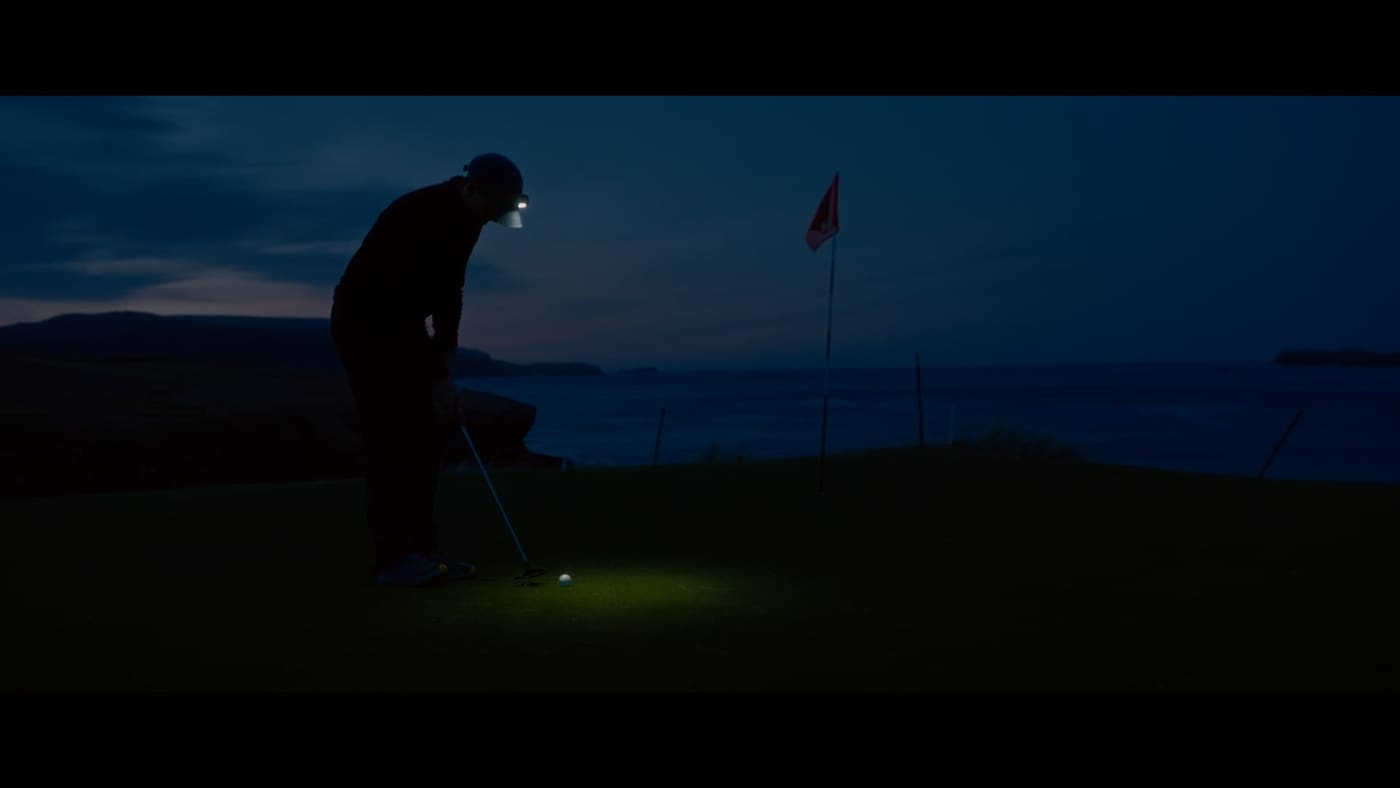
We shoot small, usually the two of us, which gets us into places a full crew never reaches and keeps the budget where it belongs. We film in real conditions, on real timelines, and we treat landscape as part of the story rather than as a backdrop.
What you get
A film that is worth showing to a broadcaster, a festival, a sponsor or a board. Short edits built from the same shoot for social and for a channel. An asset that is still being sent to people two years later, which is the difference between a documentary and a campaign.


Documentaries, answered
5 answeredWhat does a sport documentary cost?
It varies more than most people expect. Length, access and archive drive the price far more than production values do. A short film under fifteen minutes, one story, a tight shoot, starts around £10,000. A multi part series built across a season or a career, with extended access and licensed archive footage, runs into the hundreds of thousands. Most UK sport documentaries sit somewhere between the two, and we scope every quote against what the story needs rather than a fixed package.
How long does a documentary take, from first conversation to delivery?
Again it depends on scale. A short film can go from first conversation to delivery in six to eight weeks: a few weeks to plan and secure access, a handful of days to shoot, and three or four to edit. A long form series, following a season or a career and drawing on a real archive, can run past a year. The story sets the pace, not a production line.
Do you work with brands as well as athletes on documentary projects?
Yes. Brands increasingly want more than a logo on a jersey, and a documentary is how that turns into a story an audience actually watches. We work with brands to tell an ambassador's story properly, or to document a project they are genuinely supporting, always led by the story rather than the brand brief.
What access or footage do you need from us to get started?
As much as you can give us. The films that work are built from real access: training sessions, changing rooms, the unguarded moments as well as the big ones, plus any footage or archive you already hold. The more open you are, the more the audience believes what they are watching, and belief is the whole point of a documentary.
Can a documentary be built around an event that's already happened, or does it need to start from scratch?
It can, provided there is enough real footage from the event to carry the story honestly. We build from genuine archive wherever it exists rather than starting from scratch. Where the gaps are too big, narrative and recreation can fill them, but that approach is always a compromise, and an audience can usually tell the difference.